History Repeating Itself
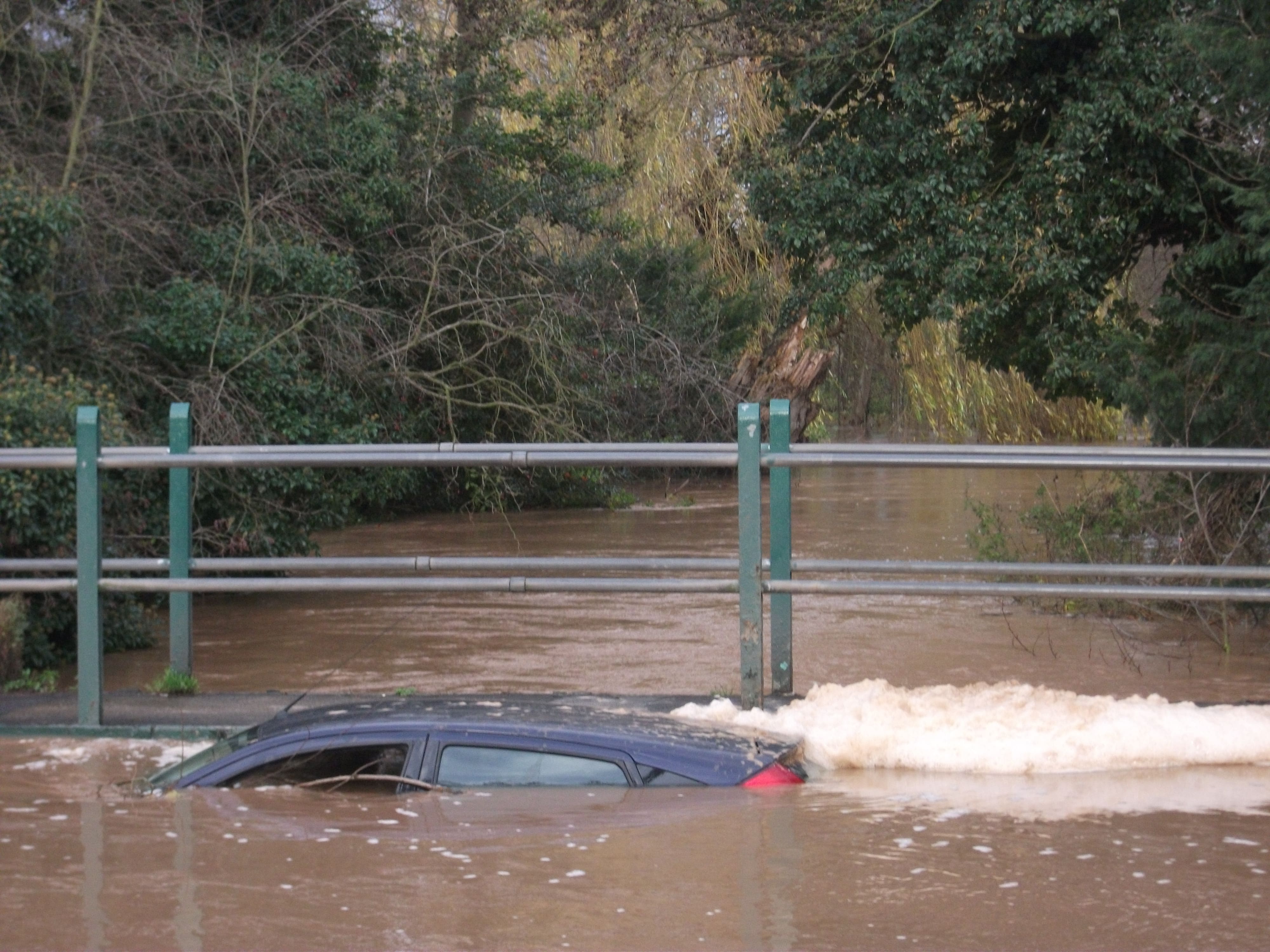
In 2020, Rufford Ford was named the number one flood accident hotspot in Britain. For years, firefighters have had to take significant risk to rescue stranded motorists who underestimated the depth and power of the water.
Over a hundred miles north, Stanhope Ford in County Durham faced a similar crisis. Vehicles were getting stranded in flood water, police were constantly on-site, and the local council tried desperately to find a "middle ground." They failed. Ultimately, it took a Public Inquiry to force the common-sense solution that we are fighting for today.
Stanhope Timeline
The "Barrier" Trap
One of the Council’s "comprehensive" solutions for Rufford involves installing barriers to close the road when water levels are high. This solution was dismissed at Stanhope for two critical reasons that Nottinghamshire County Council experts have recognised, but are now being ignored:
- Legal Liability: At Stanhope, it was recognised that if the Council installs a barrier, they take on the legal liability for its operation. If a sensor fails or a gate is left open and a tragedy occurs, the Council is directly responsible.
- Technical and logistical challenges: Automated systems are prone to failure, whilst manual systems require staff to be on-call 24/7 and to react almost instantly.
Durham County Council's report explicitly highlighted that these barriers are not a "set and forget" solution — they are a high-maintenance liability. (Source: Durham Council PDF)
The Bottom Line
Fire and Rescue services supported the permanent closure of Rufford Ford because they recognised the unacceptable risk to their crews.
The Stanhope Ford Public Inquiry concluded that dangers from floods are real, and that the duty of care to the public is more important than convenience or preference. So why is Nottinghamshire Country Council pushing a dangerous and costly plan?