The 4-Inch Paradox
The Council proposes installing flood gates, but they have failed to answer the most basic question: What defines a flood?
Both the AA and RAC recommend that motorists do not drive through more than 4 inches (10cm) of water. However, at Rufford, 4 inches is essentially the natural, everyday level of the ford.
Who decides when the depth is dangerous? And once that depth has been decided how will it be monitored - is it a human monitor paid 24/7, or an electronic sensor prone to failure in the very conditions it is meant to monitor?
What are the gates designed to do. Stop vehicles getting stranded in a severe flood or to stop the social media circus? Watch the YouTube and TikTok feeds, content creators and the exhibitionists don't need too much water to drive dangerously and endanger life.
A Maintenance and Liability Nightmare
By installing gates, the Council assumes a new level of liability. Previously, the driver chose whether to enter the water. Once gates are installed, an open gate is an active signal from the Council that the crossing is safe.
If a car engine fails mid-stream or a family vehicle is swept away while the gates are open, the Council is no longer a bystander — they are the manager who failed to do their job. This "half-way house" is a legal and safety nightmare.
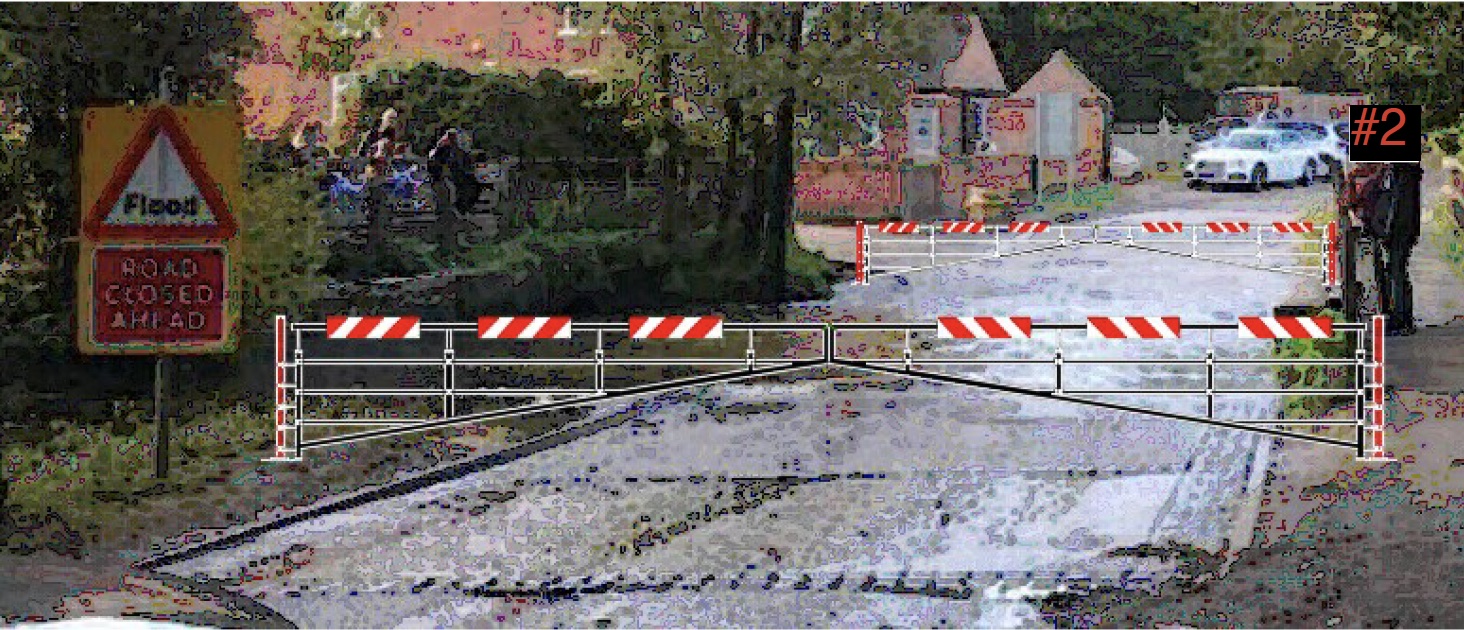
The Sabotage Factor
The Council plans to rely on cameras to monitor the floodgates and the social media spectacle. Experience shows that remote infrastructure is a prime target for vandalism.
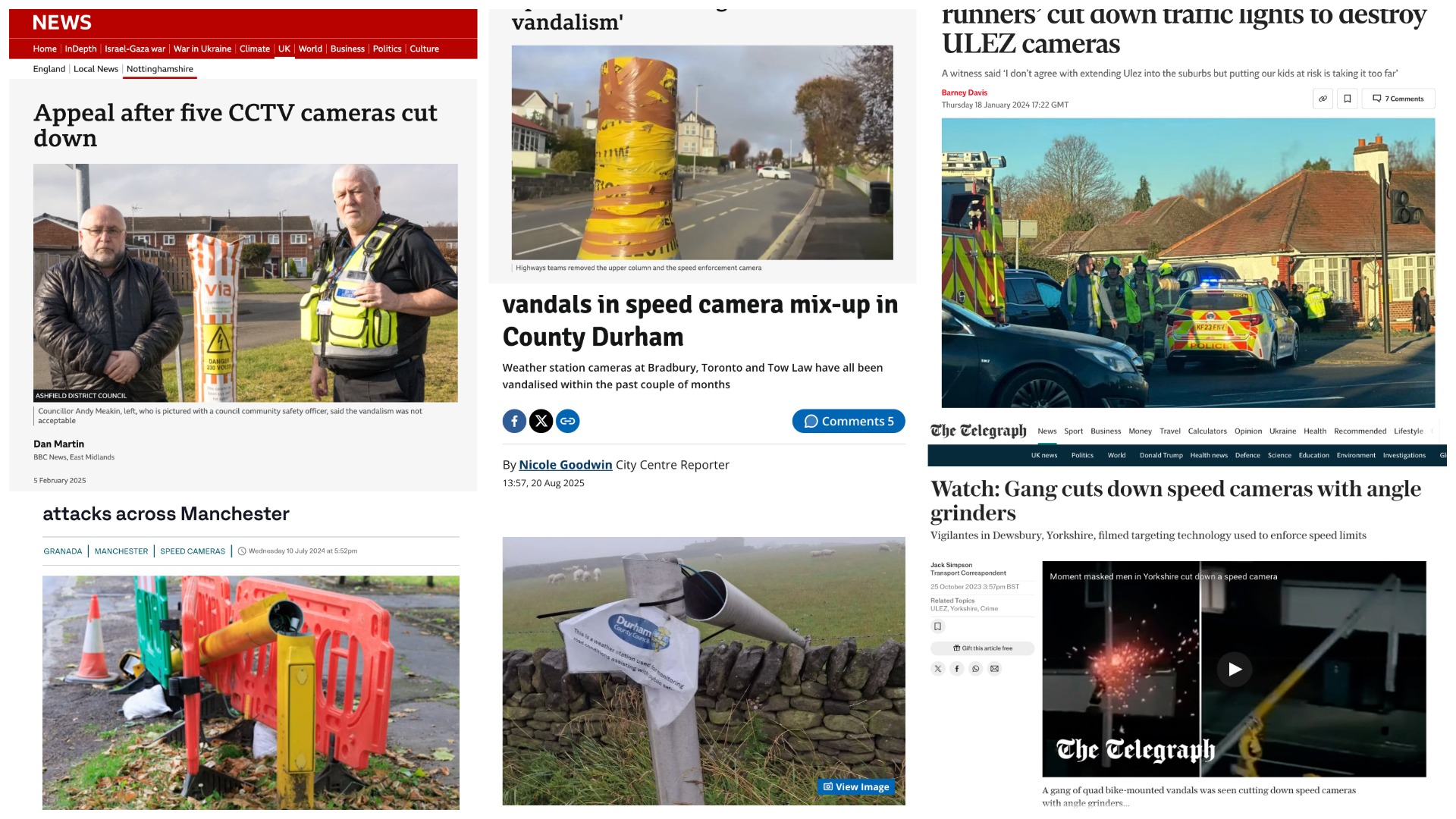
Unworkable Solution
The Council is trying to stop a social media circus and significant floodrisk with a "high-tech" solution that is flawed, expensive, and makes them legally liable. It appears to be a scheme dreamt up by people who are oblivious to the problems. Yet those same experts previously recognised that those solutions were unworkable, after a lengthy and detailed options feasibility study. So is it the experts at fault, or the new taskmasters cracking the whip?